These two materials look similar on a quote sheet but behave very differently on site. Knowing which one you need prevents costly substitutions.
How They're Made
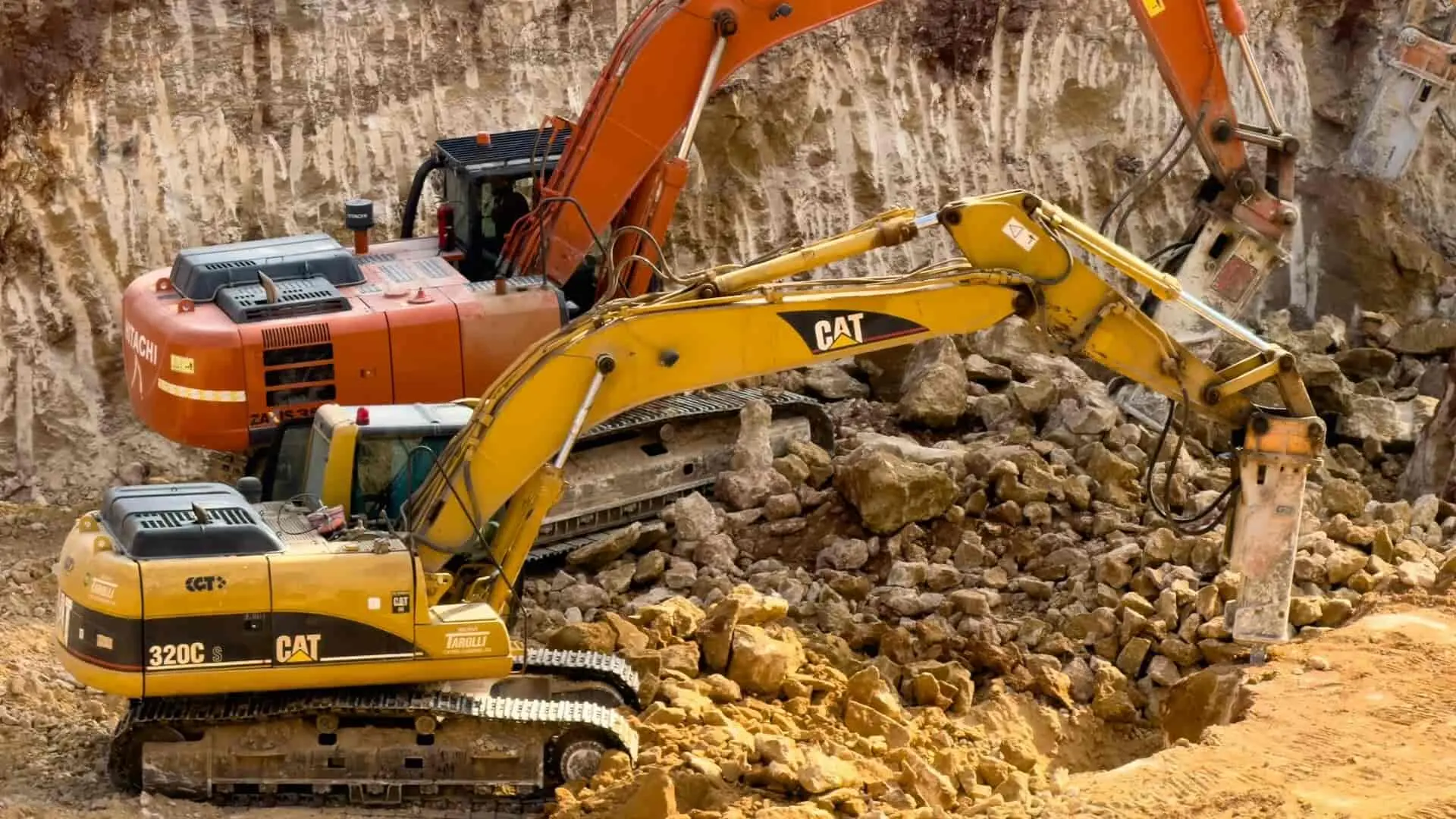
Crushed stone is produced by mechanically breaking down quarried rock — limestone, granite, or trap rock — into specific size fractions. The process creates angular particles with rough, fractured faces.
Gravel, by contrast, is naturally occurring. It forms through the weathering and erosion of rock over thousands of years, usually found in riverbeds, glacial deposits, or gravel pits. The particles are rounded and smooth from water action.
How They Perform Differently
Angular crushed stone locks together under load. When compacted, the irregular edges interlock and resist movement — which is why it's the go-to material for road base, driveways, and structural sub-layers. It won't shift underfoot the way rounded gravel can.
Rounded gravel, precisely because it doesn't lock together, drains exceptionally well. Water moves freely through the spaces between smooth particles, making river gravel ideal for French drains, pipe bedding, and decorative mulch applications where drainage is the priority.
Which One Should You Use?
Use crushed stone when you need load-bearing strength: driveways, parking areas, road sub-base, and concrete or asphalt mixes. Crushed limestone #57 and crusher run are the most common choices.
Use gravel when drainage and aesthetics matter more than structural strength: French drains, garden paths, decorative borders, and aquatic applications. River gravel and pea gravel are the typical options.
For some projects — a residential driveway top coat, for example — either can work. In those cases, budget and availability usually decide.
A Note on Pricing
Crushed stone is generally less expensive than washed, screened river gravel because the production process is more controlled. Decorative gravels — especially polished or specialty-colored stone — carry a premium for the finishing work involved.
Always request pricing per ton, not per yard. Density varies between materials, and a ton of lightweight gravel takes up more space than a ton of dense crusher run. Comparing by weight keeps quotes apples-to-apples.